Spring Community Block Party Planning Guide: How to Host a Neighborhood Bash Everyone Will Actually Show Up To
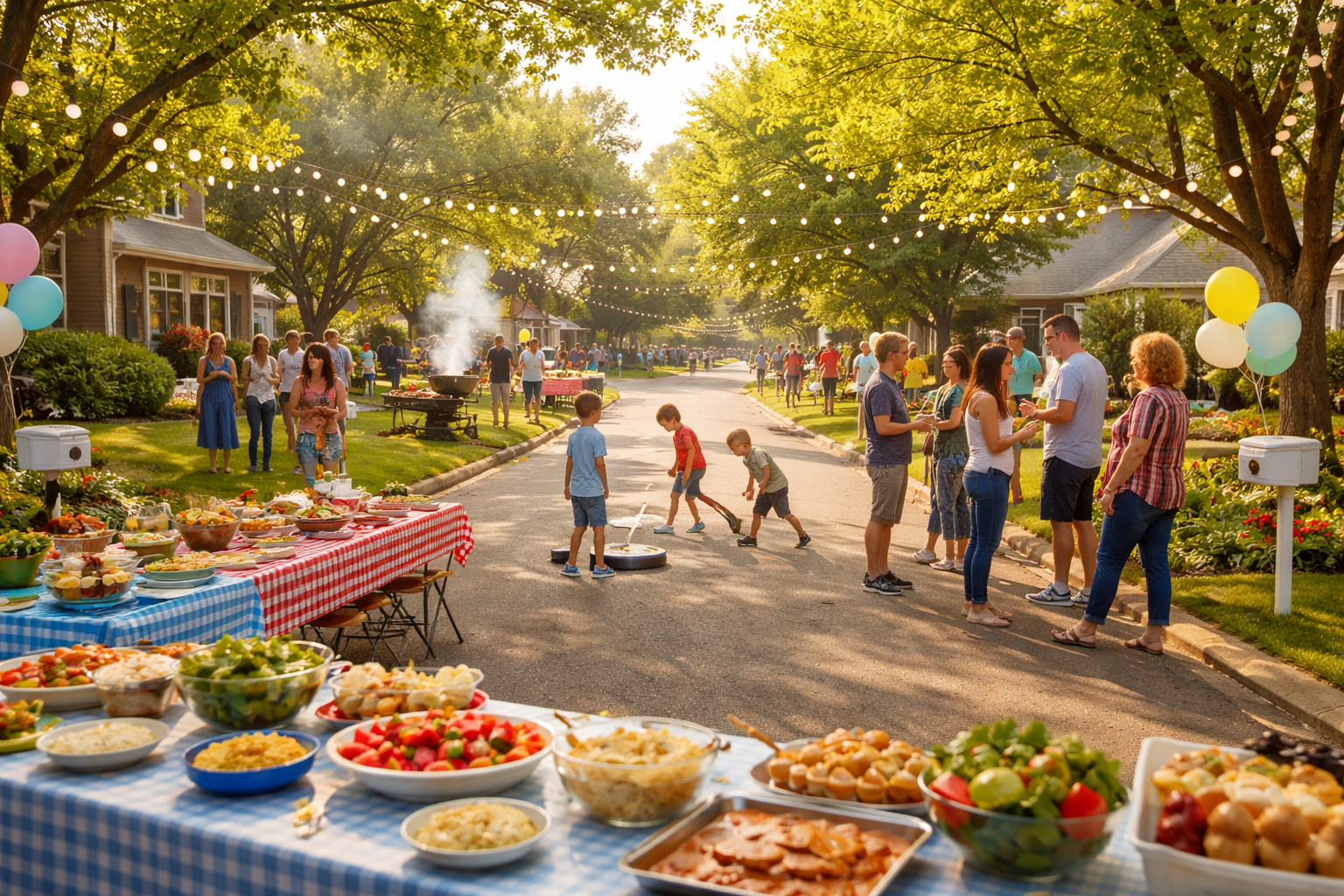
The Neighbor Who Planned a Party Nobody Came To
Picture this: It's a sunny Saturday in May. You've spent three weekends planning the neighborhood block party — you bought the folding tables, ordered the bounce house, marinated the chicken, and printed out paper flyers that you stuffed into every mailbox on the street. You set up by 11 a.m. By noon, it's just you, your spouse, and the Hendersons from two doors down awkwardly standing next to a cooler full of drinks nobody is drinking.
The bounce house guy is giving you a look. The chicken is getting cold. And you're starting to wonder if your neighbors actually like you.
Sound familiar? The truth is, most neighborhood block parties fail not because of bad intentions — but because of broken communication, unclear logistics, and zero RSVP visibility. You can't plan for 15 people and have 45 show up (or vice versa). Without knowing who's actually coming, you're flying blind on food, seating, activities, and budget.
This guide is here to fix that. Whether you're planning your first block party or trying to improve on last year's lukewarm turnout, here's exactly how to pull off a spring community block party that your neighbors will talk about — in a good way — until summer.
Step 1: Lock Down Your Logistics Before You Tell Anyone
Before a single invitation goes out, nail down the non-negotiables. Trying to invite people before you have a confirmed date, location, or permit is a fast track to confusion and cancellations.
- Choose your date wisely. Late April through early June is the sweet spot — warm enough to be outside, but before summer vacations kick in. Avoid holiday weekends when families travel. A Saturday from 11 a.m. to 4 p.m. hits the ideal window for families with kids and older neighbors alike.
- Secure your street permit. Most cities require a permit to close a residential street. Contact your local city or county office at least 4–6 weeks in advance. Some neighborhoods have HOAs that can help streamline this — check with yours first.
- Recruit 2–3 co-hosts. Block parties are a team sport. Tap a neighbor who loves to grill, another who's great at decorating, and someone who can handle logistics. Divide and conquer.
- Set a rain date. Spring weather is unpredictable. Decide in advance: will you postpone, move it under a covered area, or push through? Communicate this clearly on your invitations.
Step 2: Send Invitations That Actually Get Responses
Here's where most neighborhood hosts go wrong: the paper flyer in the mailbox. It's charming, yes. It's also easy to lose, forget, or ignore. And it gives you zero information about who's coming.
For a block party to succeed, you need real RSVP data. How many adults? How many kids? Any dietary restrictions? Will the Garcias bring their famous tamales as a potluck contribution?
This is exactly where a platform like RSVPlinks earns its keep. You can create a clean, mobile-friendly event invitation with your block party details, send a single link via text or email to every household, and watch RSVPs roll in — all in one place. No spreadsheets, no chasing neighbors down at the mailbox, no guessing games.
What to include in your invitation:
- Date, time, and exact location (which block or cul-de-sac)
- What's being provided (main food, drinks, tables)
- What guests should bring (lawn chairs, a side dish, dessert)
- RSVP deadline — give yourself at least 10 days before the event
- Rain date or weather policy
- A contact name and number for questions
Pro tip: Send a reminder 3 days before the RSVP deadline. Response rates jump significantly with a single follow-up nudge.
Step 3: Plan Food and Drinks Like a Pro
Food is the heartbeat of any block party. Get it right and people linger for hours. Get it wrong and they're gone by 1 p.m.
The Potluck-Plus Model
The most sustainable approach for neighborhood events is what we call the potluck-plus model: the host covers the main protein and drinks, and guests are asked to bring a side dish, dessert, or snack. This spreads the cost, reduces host burnout, and gives neighbors a sense of ownership in the event.
Use your RSVP form to collect potluck sign-ups. Assign categories (salads, desserts, snacks, non-alcoholic drinks) so you don't end up with 11 bags of chips and nothing else.
Quantities to Plan For
- Burgers/hot dogs: 2 per adult, 1 per child
- Drinks: 2–3 per person for a 4-hour event (mix of water, lemonade, soda)
- Sides: 4–6 oz per person per dish
- Dessert: 1 serving per person, plus 10% extra
Always plan for 10–15% more than your confirmed headcount. Neighbors have a way of bringing unannounced guests.
Step 4: Create an Activity Plan for All Ages
A block party without activities is just a standing meeting. Structure your afternoon so there's always something happening — but leave plenty of room for organic conversation, which is the real point.
For Kids (Ages 4–12)
- Sidewalk chalk station
- Lawn games: cornhole, ring toss, hula hoops
- Water balloon toss (late spring/early summer)
- A simple scavenger hunt around the block
For Teens and Adults
- Cornhole or bocce ball tournament (bracket-style adds friendly competition)
- A neighborhood trivia game — questions about local history or fun facts about residents
- A potluck dish contest with silly awards ("Most Likely to Disappear First," "Best Use of Leftovers")
For Everyone
- A community photo wall or memory board where neighbors can pin old neighborhood photos
- A playlist committee — ask neighbors to submit their favorite songs in advance
- A simple raffle with prizes donated by local businesses
Step 5: Set Up for Success on the Day Of
Even the best-planned events fall apart without a solid day-of execution. Here's a simple timeline:
- 2 hours before: Set up tables, chairs, and activity stations. Place signage at the street entrance so guests know they're in the right place.
- 1 hour before: Start the grill, set out non-perishable food items, do a final walkthrough.
- 30 minutes before: Brief your co-hosts on their roles. Designate one person as the "greeter" who welcomes guests and points them to food and activities.
- During the event: Rotate through activity zones, introduce neighbors who don't know each other, and make sure no one is standing alone.
- Last 30 minutes: Announce the end time gently. Begin breaking down non-essential items. Thank guests publicly for coming.
Step 6: Follow Up and Build Momentum for Next Year
The block party isn't over when the last lawn chair folds up. A quick follow-up keeps the community energy alive and sets you up for an even better event next year.
- Send a thank-you message within 48 hours — a group text or email works great. Share a few photos if you took them.
- Create a neighborhood contact list (with permission) so residents can stay connected year-round.
- Ask for feedback: What did people love? What would they change? A simple 3-question survey via RSVPlinks or Google Forms takes two minutes and gives you gold for next year.
- Start a neighborhood social group — a private Facebook group or group chat keeps the connection going between events.
3 Things You Can Do Today to Get Started
You don't need everything figured out to take the first step. Here's where to start right now:
- Pick your date and check permit requirements for your city or HOA — this is your longest lead-time item and the one most people delay too long.
- Create your event invitation with an RSVP link so you can start collecting headcounts the moment you announce the party. Set up a free event on RSVPlinks and share the link in your neighborhood group chat today.
- Text two neighbors and ask if they want to co-host. Community events thrive on shared ownership — and you'll be amazed how quickly momentum builds once two or three households are invested.
A great block party doesn't require a massive budget, a professional event planner, or a perfect spring day. It requires clear communication, a little organization, and the genuine desire to bring your neighbors together. Start there, and the rest falls into place.