How to Plan the Perfect Easter Brunch Party for Family and Friends
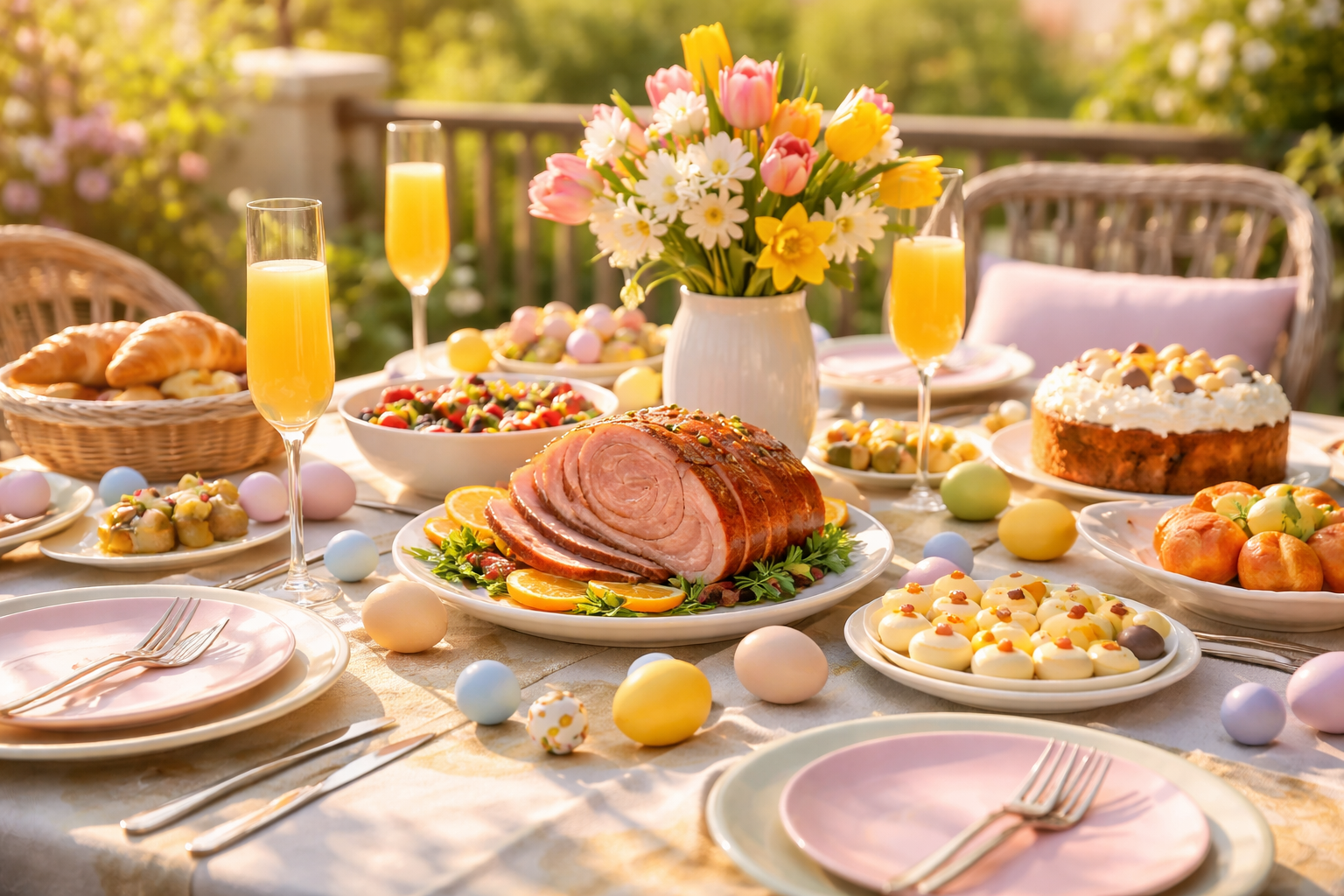
The Easter Morning Scramble Nobody Talks About
It's 10:47 AM on Easter Sunday. Your ham is in the oven, the mimosas are chilling, and the table looks gorgeous — but you have absolutely no idea how many people are actually showing up. Your cousin said 'probably yes.' Your aunt texted 'we'll see.' Three neighbors mentioned they 'might stop by.' You made quiche for twelve, but there could be six people or twenty-two walking through that door in the next hour.
Sound familiar? Easter brunch is one of those celebrations that feels casual and festive at the same time — which is exactly why it tends to spiral into chaos. Unlike a formal dinner party where guests RSVP weeks in advance, Easter brunch has a reputation for being loose and last-minute. The result? Hosts either over-cook and over-spend, or scramble to stretch a frittata that was meant for eight across a table of fifteen.
But here's the truth: a perfectly planned Easter brunch doesn't have to be stressful. With the right approach to invitations, food planning, and day-of logistics, you can host a brunch that feels effortless — even if you're feeding a crowd of mixed ages, dietary needs, and chaotic family energy.
Step 1: Lock In Your Guest List Early (And Actually Get Answers)
The single biggest mistake Easter brunch hosts make is treating invitations like casual mentions. 'Oh, just come over Sunday!' sounds warm and welcoming, but it's a logistical nightmare in disguise.
Start by writing out your actual guest list — not a mental note, a real list. Include everyone you want there: immediate family, extended family, close friends, neighbors. Then categorize them honestly: Who will definitely come? Who needs a nudge? Who requires a formal invitation to take it seriously?
Send invitations at least two to three weeks before Easter. This gives guests time to plan around church services, family obligations, and travel. A digital invitation through a platform like RSVPlinks makes this effortless — you can design a beautiful Easter-themed invite, set an RSVP deadline, and track exactly who's coming, who's declined, and who hasn't responded yet. No more texting twelve people individually and losing track of answers in a thread.
Pro tip: Set your RSVP deadline for five to seven days before Easter. This gives you a real headcount before you shop for groceries and finalize your menu.
Step 2: Design a Brunch Menu That Works for Everyone
Easter brunch has a beautiful built-in advantage: it spans two meal categories. You can serve breakfast classics alongside heartier lunch dishes, which naturally gives you flexibility for different appetites and dietary needs.
Build Your Menu in Three Layers
- The anchor dish: One showstopper that anchors the table. A glazed spiral ham, a savory egg casserole, or a smoked salmon platter. This is your centerpiece — everything else supports it.
- The supporting cast: Two to three sides that complement the anchor. Think roasted asparagus, fruit salad with mint, buttermilk biscuits, or a spring green salad with strawberries and poppy seed dressing.
- The crowd-pleasers: Dishes that work for everyone, including kids and picky eaters. Mini pancakes, deviled eggs, a yogurt and granola bar, or a simple charcuterie board.
When you collect RSVPs, include a simple dietary question — something like 'Do you have any dietary restrictions we should know about?' This one question can save you from the awkward moment of realizing your vegetarian sister-in-law has nothing to eat except the fruit bowl.
Real scenario: Sarah, a host in Nashville, used to spend the morning of Easter fielding last-minute texts about dietary needs. After she started collecting this info through her digital RSVP form, she discovered two guests were gluten-free and one was dairy-free — and she had time to adjust her menu before she ever stepped foot in the grocery store.
Step 3: Set Up Your Space for Flow, Not Chaos
Easter brunch works best as a semi-buffet setup, especially when you're hosting a mix of ages. A sit-down plated service is beautiful but logistically demanding for large groups. A buffet-style layout lets guests graze, go back for seconds, and move freely — which is especially important when kids are involved.
The Three-Zone Layout
- Food zone: Set up your buffet table against a wall or along the kitchen island. Label dishes with small cards, especially if you have guests with allergies. Keep hot dishes in warming trays or covered with foil until guests arrive.
- Drink station: Create a separate beverage table with mimosa fixings, coffee, juice, and water. This prevents a traffic jam at the main food table and lets guests help themselves throughout the morning.
- Seating zone: Mix and match seating — a main dining table plus a few smaller bistro tables or even a kids' table set up in a cozy corner. Use your confirmed headcount (thank you, RSVPs!) to set the right number of seats without scrambling for extra chairs at the last minute.
Add Easter-specific touches that don't require a lot of effort: a simple centerpiece of pastel tulips or daffodils, Easter egg place cards for the kids' table, and a small basket of chocolates at each seating area. These details make the space feel intentional without requiring hours of decorating.
Step 4: Plan an Easter Activity That Brings Everyone Together
One of the things that elevates a brunch from 'nice meal' to 'memorable event' is a shared activity. Easter is uniquely well-suited for this because it has built-in traditions that span generations.
Activity Ideas by Crowd Size and Age Mix
- Classic Easter egg hunt: Works for any size group. Hide eggs before guests arrive. For mixed ages, create color-coded difficulty levels — easy-to-find eggs for toddlers, hidden eggs for older kids, and a 'golden egg' with a prize for teens or adults.
- Egg decorating station: Set up a table with hard-boiled eggs, dye kits, and stickers. This works beautifully as a pre-brunch activity while you're finishing food prep — it keeps kids occupied and gives adults something to do with their mimosas.
- Easter trivia: A quick five-minute trivia round with Easter and spring-themed questions is a fun icebreaker, especially if your guest list includes people who don't know each other well.
- Basket-building bar: Set out Easter grass, small toys, candy, and empty baskets and let kids build their own Easter baskets. Simple, inexpensive, and genuinely exciting for little ones.
Step 5: Handle Day-Of Logistics Like a Pro
The best Easter brunch hosts have one thing in common: they do as much as possible the day before. Here's a realistic day-before checklist:
- Prepare any dishes that can be made ahead — egg casseroles, fruit salads, and baked goods are all excellent make-ahead options
- Set the table and arrange the buffet layout
- Chill drinks and prep mimosa ingredients
- Confirm your final headcount and check your RSVP dashboard for any last-minute changes
- Hide Easter eggs (if doing an egg hunt) — yes, you can do this the night before for outdoor hunts
On Easter morning, your only jobs should be heating food, making coffee, and enjoying the arrival of your guests. If you've done the prep work and you know exactly who's coming, that's entirely achievable.
Your Three Takeaways for the Perfect Easter Brunch
Planning a memorable Easter brunch doesn't require a catering team or a Pinterest-perfect kitchen. It requires three things:
- Get real RSVPs, not maybes. Send a proper invitation with a deadline using a tool like RSVPlinks so you have an accurate headcount and dietary info before you plan a single dish.
- Build a layered menu. Anchor dish, supporting sides, and universal crowd-pleasers. Design for your confirmed guest count — not your worst-case scenario.
- Do the work the day before. Prep, set up, and organize on Saturday so Easter Sunday is about connection, not chaos.
Easter brunch is one of the most joyful gatherings of the year. With a little planning and the right tools, you can be the host who's actually present at the table — not the one sweating in the kitchen wondering if there's enough quiche for everyone who 'might stop by.'