Digital vs Paper Invitations: Which Is Best for Your Next Event?
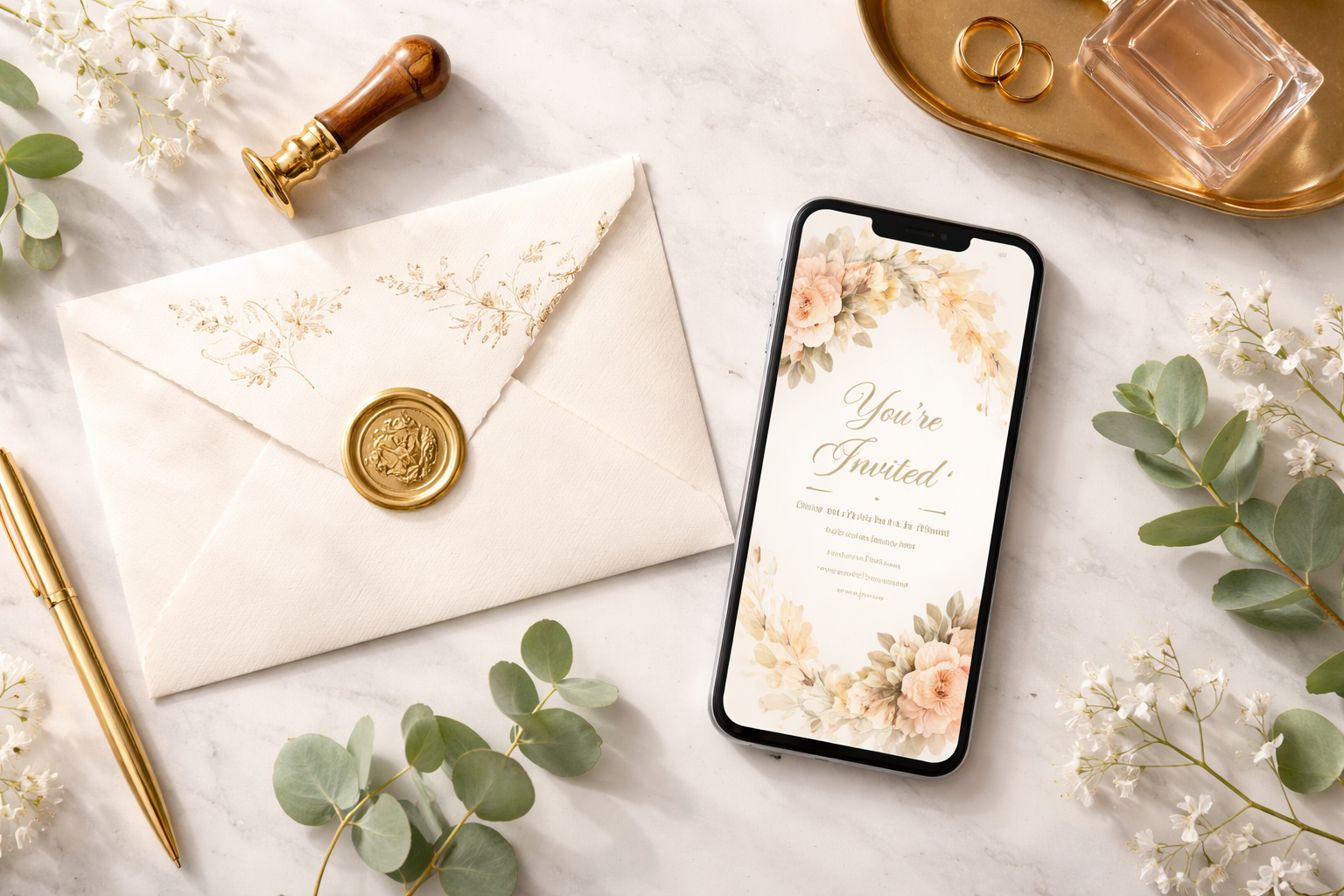
The Invitation Dilemma Nobody Warns You About
You've booked the venue, finalized the guest list, and spent weeks planning every detail of your event. Then you hit a wall: How do I actually invite people? You open a browser tab to order custom printed invitations, then immediately open another tab to look at digital options. An hour later, you've spent $180 on a print quote you're not sure you need, and you still haven't sent a single invite. Sound familiar?
The choice between digital and paper invitations isn't just a matter of personal taste — it directly affects your budget, your timeline, your RSVP response rate, and how guests perceive your event before they even walk through the door. Getting it wrong can mean chasing down stragglers two days before your headcount is due, or worse, guests who never received the invite at all.
Let's cut through the noise and give you a clear, honest breakdown of both options — so you can make the right call for your specific event.
The Case for Digital Invitations
Digital invitations have evolved far beyond a simple email with a date and time. Modern platforms offer beautifully designed templates, animated graphics, built-in RSVP tracking, and real-time guest management. Here's where they genuinely shine:
1. Speed and Flexibility
Digital invites can be created, customized, and sent within a single afternoon. If you're planning a birthday dinner three weeks out — or a last-minute backyard get-together — digital is your best friend. You can also update event details instantly if something changes. No reprinting. No postage. No panic.
Real-world scenario: Sarah is organizing a surprise 40th birthday party for her husband. The venue changes two weeks before the event. With a digital invitation sent through a platform like RSVPlinks, she updates the address in seconds and every guest automatically sees the new details — no frantic group texts required.
2. Built-In RSVP Tracking
This is where digital invitations genuinely outperform paper. Instead of waiting for reply cards to trickle back in the mail — or texting every single guest individually — you get a live dashboard showing exactly who has confirmed, declined, or hasn't responded yet. You can send automated reminders to non-responders with a single click.
For events where headcount matters — catered dinners, ticketed shows, seated receptions — this feature alone can save hours of administrative stress.
3. Cost-Effective at Any Scale
Sending invitations to 15 people or 150 people costs roughly the same with a digital platform. There are no per-unit printing costs, no envelope stuffing, and no postage fees. For budget-conscious hosts, this is a significant advantage — especially when you're already spending on food, decor, and entertainment.
4. Eco-Friendly and Inclusive
Digital invitations produce zero paper waste. For environmentally conscious hosts — or events with a sustainability theme — this is a meaningful benefit. They're also immediately accessible: guests can save the event to their calendar with one tap, share the link with a plus-one, or reference the details on their phone at any time.
The Case for Paper Invitations
Paper invitations aren't relics of a pre-internet era. For the right event, they remain the gold standard — and here's why:
1. Perceived Prestige and Formality
There is something undeniably powerful about receiving a beautifully crafted envelope in the mail. The weight of the cardstock, the texture of the print, the thoughtfulness of a handwritten address — these physical cues communicate that this event is important. For black-tie galas, formal weddings, corporate award ceremonies, or milestone anniversaries, a paper invitation sets the tone before guests have read a single word.
Real-world scenario: A law firm hosting its 25th anniversary gala sends embossed, letterpress invitations to 200 clients and partners. The invitation itself becomes a statement of the firm's prestige — something a digital email simply cannot replicate at that level.
2. No Technology Barriers
Not every guest is digitally fluent. Elderly relatives, guests in areas with limited internet access, or individuals who simply don't check email regularly can all be left behind by a digital-only approach. A physical card in the mailbox reaches everyone, regardless of their relationship with technology.
3. A Keepsake Guests Actually Keep
Paper invitations — especially for weddings, milestone birthdays, or baby showers — often become keepsakes. Guests pin them to bulletin boards, tuck them into memory boxes, or display them on their refrigerators. A digital invite, no matter how beautiful, rarely survives beyond the inbox.
4. No Spam Filters or Missed Notifications
Digital invitations can land in junk folders, get buried under hundreds of other emails, or be blocked by corporate email filters. A physical invitation has a 100% delivery rate to the mailbox — assuming you have the right address.
How to Choose: A Practical Decision Framework
Rather than declaring one format universally superior, here's a simple framework to guide your decision:
Event formality: Formal or black-tie events lean toward paper. Casual, social, or community events lean toward digital.
Guest demographics: Younger, tech-savvy audiences? Digital wins. Mixed age groups or older guests? Consider paper or a hybrid approach.
Timeline: Less than four weeks to the event? Digital is almost always the smarter choice.
Budget: Tight budget? Digital saves significantly. Premium budget where presentation matters? Paper may be worth the investment.
RSVP complexity: Need meal choices, guest counts, or dietary restrictions? Digital platforms make this effortless. Paper reply cards can get messy fast.
Environmental values: If sustainability is a priority for you or your guests, digital is the clear winner.
The Hybrid Approach: Best of Both Worlds
Many savvy event hosts are now combining both formats — and it works beautifully. Send a stunning paper invitation to your VIP guests or those who prefer traditional mail, while using a digital platform like RSVPlinks to manage all RSVPs, send reminders, and communicate updates in real time. You get the prestige of print with the efficiency of digital tracking.
For a wedding, this might mean mailing formal invitations to 120 guests while including a QR code that links directly to the RSVP page — eliminating reply cards entirely and giving you instant visibility into your headcount.
Common Mistakes to Avoid
Sending too late: Paper invitations need to be mailed 6–8 weeks before the event. Digital invites should go out 3–4 weeks in advance, with a reminder one week before.
Ignoring your audience: Sending a purely digital invite to a guest list that skews 65+ is a recipe for low response rates and confused phone calls.
Skipping the follow-up: Whether paper or digital, always send a reminder to guests who haven't responded. Silence is not a "no" — it's usually just someone who forgot.
Overcomplicating the RSVP process: Every extra step between "receiving the invite" and "confirming attendance" costs you responses. Keep it simple.
Your Next Steps
Here's what you can do today to move forward with confidence:
Define your event's formality level and audience. Write down two or three words that describe the tone of your event and the average age of your guests. This single exercise will point you clearly toward digital, paper, or hybrid.
Set your invitation budget and timeline. If you have less than four weeks or less than $50 to spend on invitations, digital is almost certainly your answer. If you have six weeks and a premium budget, explore print options.
Try a digital platform before committing to print. Sign up for a free account on RSVPlinks, browse the templates, and see how the RSVP tracking works. You may find it covers everything you need — at a fraction of the cost and effort of printed invitations.
The best invitation is the one your guests actually receive, read, and respond to. Everything else is just paper — or pixels.