How to Organize a Church End-of-Year Appreciation Banquet Without the Guest List Chaos
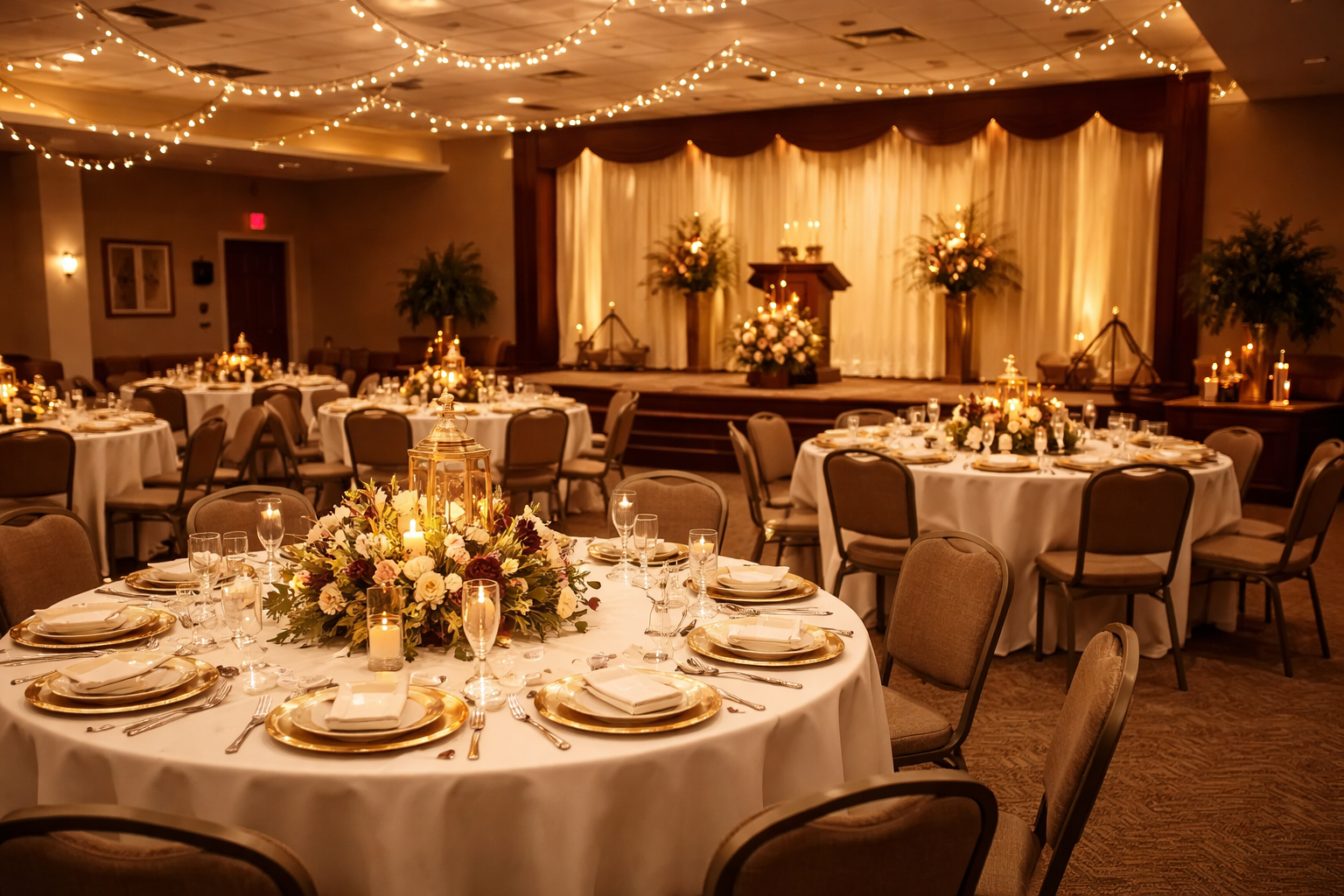
The Sunday Announcement That Spiraled Into a Nightmare
It starts innocently enough. Pastor stands at the pulpit on the first Sunday of November and says, 'Mark your calendars — our annual appreciation banquet is December 14th. See Sister Denise for details.' And just like that, Sister Denise's phone becomes a 24/7 hotline.
By Tuesday she has 47 text messages, 12 voicemails, and a sticky note from the deacon board reminding her that the fellowship hall only holds 80 people. By Thursday, three families have shown up assuming their entire extended household is invited. By the following Sunday, two volunteers have dropped out because 'it's just too much confusion,' and someone — no one knows who — has already promised Brother Harold a seat at the head table.
If you've ever been the person holding the clipboard at a church appreciation banquet, you know this chaos is not an exaggeration. It's a rite of passage. But it doesn't have to be.
Why Church Events Are Uniquely Difficult to Manage
Church communities are warm, relational, and deeply interconnected — which is beautiful on Sunday mornings but creates real logistical headaches when you're trying to plan a seated dinner. Unlike a corporate event where attendees RSVP through a company portal, church members communicate through a web of text chains, Facebook groups, word-of-mouth, and Sunday conversations that are nearly impossible to track.
Add in the fact that appreciation banquets often involve honoring specific volunteers, leaders, or ministries — meaning the guest list isn't just a headcount, it's a relationship map — and you have a recipe for confusion, hurt feelings, and last-minute scrambles.
The good news: with the right structure and tools, you can run a smooth, joyful banquet that honors your people without burning out your planning committee.
Step 1: Define Who Is Invited — Before You Announce Anything
The single biggest mistake church banquet planners make is announcing the event before the guest list is finalized. Once the word is out, expectations are set, and walking them back is painful.
Before your pastor makes any announcement, your planning committee should answer these questions in writing:
- Is this invite-only or open to the full congregation? Appreciation banquets often honor specific groups — ministry leaders, long-serving volunteers, deacons, choir members. Be explicit about who qualifies.
- Are plus-ones allowed? Decide upfront whether honorees can bring a spouse, a guest, or their whole family. 'Family' is the most ambiguous word in church event planning.
- What is the hard capacity limit? Get this number from your venue coordinator before the first invitation goes out. Build in a 10% buffer for setup, accessibility needs, and staff.
- Who handles the waitlist? Yes, you need a waitlist plan. Designate one person — not the whole committee — to manage it.
Once these decisions are documented, you have a foundation. Everything else flows from this.
Step 2: Use a Digital RSVP System — Not a Sign-Up Sheet
The paper sign-up sheet on the foyer table has ended more friendships than a bad potluck. It gets moved, it gets wet, it gets lost, and it creates zero accountability. Someone signs up, then doesn't show. Someone else wanted to come but never saw the sheet.
Switching to a digital RSVP system transforms your event management. Platforms like RSVPlinks let you create a custom event page with a clear RSVP link you can share via text, email, WhatsApp, or your church's social media — all the channels your congregation actually uses. Every response is logged automatically, you can see your headcount in real time, and you can send reminder messages to people who haven't responded yet.
Here's what this looks like in practice: Sister Denise creates an RSVPlinks event page for the December 14th banquet, sets the capacity at 80, and shares the link in the church's WhatsApp group on Monday morning. By Wednesday, she has 62 confirmed guests, 8 declines, and a clear picture of who still hasn't responded. No sticky notes. No mystery headcount. No drama.
Step 3: Communicate in Layers — Not Just Once
One announcement is never enough. People are busy, distracted, and genuinely forget. But the solution isn't to spam your congregation — it's to communicate in a structured, layered way.
Here's a simple communication timeline that works:
- 6 weeks out: Save-the-date announcement from the pulpit and in the church bulletin. No RSVP link yet — just awareness.
- 4 weeks out: Formal invitations go out with the RSVP link. This is your primary call to action. Include the deadline, the dress code, and any special instructions.
- 2 weeks out: A reminder to anyone who hasn't RSVPed. Keep it friendly: 'We'd love to know if you're joining us!'
- 1 week out: Confirmation message to everyone who has RSVPed. Include parking info, start time, and what to expect. This reduces day-of questions dramatically.
- Day before: A short, warm reminder. 'We can't wait to celebrate with you tomorrow evening.'
This cadence keeps the event top of mind without overwhelming people, and it ensures that last-minute RSVPs have a clear deadline rather than trickling in the morning of the event.
Step 4: Assign Roles — And Put Them in Writing
Banquet chaos often isn't about the guest list at all — it's about unclear ownership. When everyone is responsible, no one is responsible.
Your planning team needs clearly defined roles, each owned by one person:
- Guest List Manager: Owns the RSVP system, monitors responses, manages the waitlist, and produces the final headcount for the caterer.
- Seating Coordinator: Handles table assignments, ensures honorees are seated appropriately, and manages any accessibility needs.
- Communications Lead: Drafts and sends all announcements, reminders, and confirmations. This person is the single point of contact for guest questions.
- Day-Of Coordinator: Manages check-in at the door, handles last-minute changes, and keeps the evening on schedule.
When Brother Harold shows up claiming he was promised a head table seat, the Day-Of Coordinator has the authority and the list to handle it graciously — without pulling the pastor away from greeting guests.
Step 5: Handle the Seating Chart Like a Pro
Seating is where appreciation banquets get emotionally complicated. Who sits near the pastor? Are the honorees at a special table? What about the family who always causes tension when seated near the Johnson family?
A few principles that prevent most seating drama:
- Create a designated honor table for the people being celebrated. This gives the evening a clear focal point and removes ambiguity about who the night is for.
- Use round tables when possible — they encourage conversation and feel less hierarchical than long banquet-style rows.
- Seat ministry teams together. People who serve together enjoy celebrating together, and it naturally creates warm table conversations.
- Leave two or three flex seats at a general table for last-minute arrivals or guests who weren't on the original list. Every church has them.
Step 6: Build a Simple Day-Of Checklist
Even the best-planned banquet can unravel in the final two hours if there's no clear setup checklist. Walk through these basics the week before:
- Printed name cards or place cards at each seat
- A check-in table at the entrance with an alphabetical guest list
- A point person for the caterer or kitchen team
- A printed program or run-of-show for the emcee
- A designated photographer or phone-camera volunteer
- A backup plan if attendance exceeds your count (extra chairs, extra plates)
The Real Goal: Make People Feel Seen
At the end of the day, your church appreciation banquet isn't a logistics exercise — it's an act of love. The volunteers who ran the children's ministry every Sunday, the deacons who showed up at 6 AM for setup, the choir members who practiced through illness and exhaustion — they deserve an evening that feels effortless and joyful, not one that starts with confusion at the door.
Good organization is the invisible foundation that makes that possible. When your RSVP process is smooth, your seating is thoughtful, and your team knows their roles, the evening feels like a celebration — not a crisis managed in real time.
Tools like RSVPlinks exist precisely to take the administrative weight off the people who care most about their community, so they can be present for the moments that matter.
3 Things You Can Do Today
- Schedule a 30-minute planning committee meeting this week to define your guest list criteria, capacity limit, and role assignments before any public announcement is made.
- Set up your digital RSVP page using a platform like RSVPlinks — it takes less than 15 minutes and eliminates the paper sign-up chaos entirely.
- Draft your communication timeline right now: write out the five touchpoints (6 weeks, 4 weeks, 2 weeks, 1 week, day before) and assign each one to your Communications Lead.
Your congregation deserves a beautiful evening. Give them one — and give yourself the peace of mind that comes from actually being prepared.